
Understanding HIFU Treatment
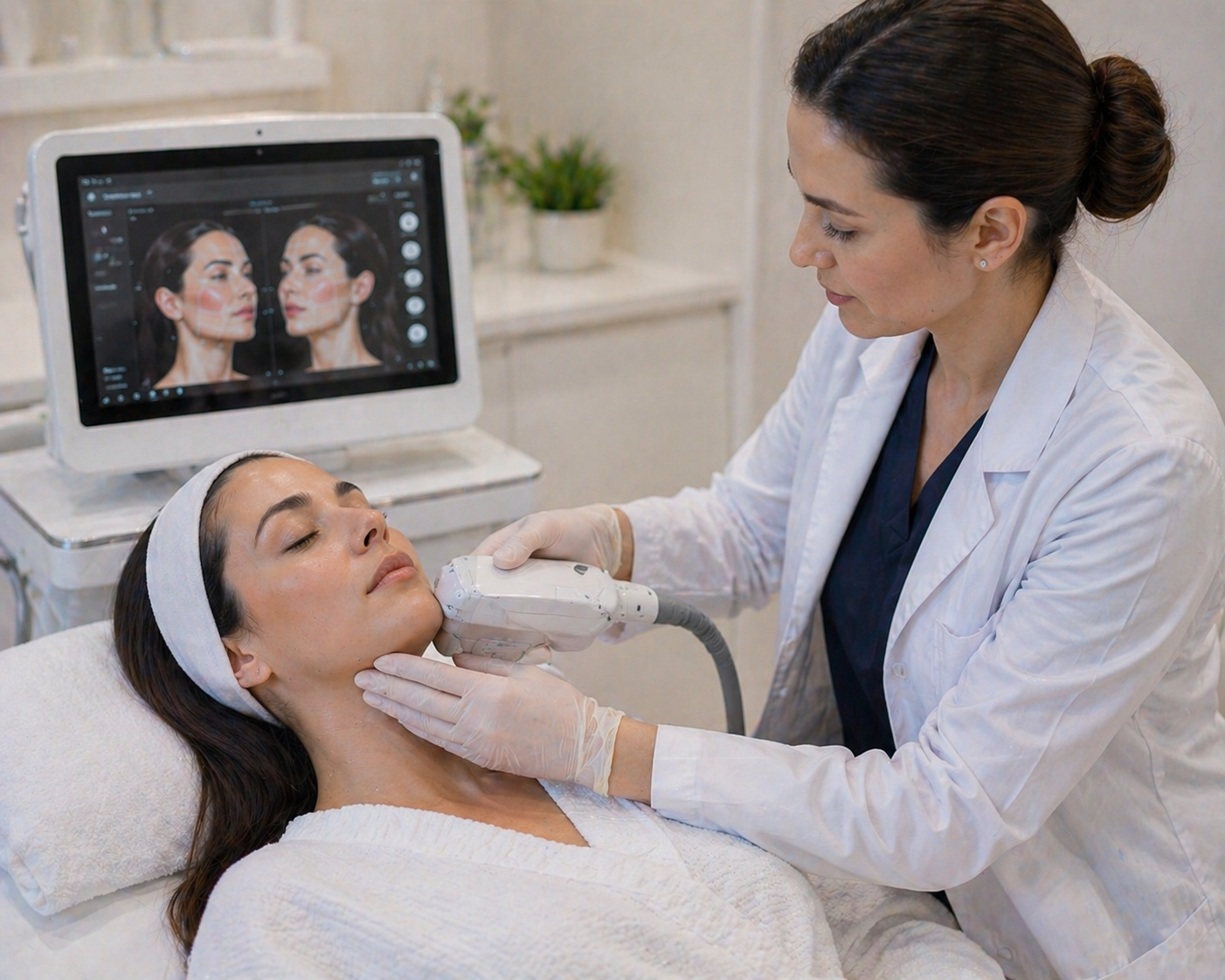
HIFU stands for High-Intensity Focused Ultrasound, and it has become an increasingly popular method of aesthetic treatment over the past decade. https://camberley.hi-fu.co.uk/hifu-face/ It sits in a space that had long been difficult for both practitioners and patients: no topical cream, however expensive, can meaningfully tighten tissue at depth, and surgical procedures demand recovery time, leave scars, and require a commitment that most people are simply not prepared for. HIFU Treatment occupies the ground between these two extremes, and that positioning is precisely why it has gained so much traction.
The technology itself is not new. In medicine, variants of focused ultrasound have been in use for years, with applications ranging from oncology to obstetric monitoring. What changed was the application. Practitioners began to identify that focused ultrasound, when directed at specific depths within skin tissue, could stimulate collagen recruitment and structural tightening without disrupting the surface at all. No needles. No incisions. No general anaesthetic. Part of the appeal is the gradual nature of the results: patients are spared the jarring shock of a sudden change to their reflection.
Practically, HIFU Treatment transmits micro-focused ultrasound energy deep into the dermis, the superficial musculoaponeurotic system, and in certain applications, deeper layers of subcutaneous fat. Each layer responds differently. https://camberley.hi-fu.co.uk/eyebrows/ The dermis produces new collagen and becomes tighter. The deep fascial layer contracts, gently elevating tissue that has relaxed with age. Over the ensuing weeks, fat cells in selected pockets are disrupted and processed by the body through its lymphatic channels. The outer layer of the skin, however, remains intact throughout.
Most people interested in HIFU Treatment fit into one of a few categories. Some are in their late thirties or early forties, beginning to see the first signs of lax skin and wishing to address it before it progresses. Others are in their fifties and sixties, carrying decades of sun, stress, and weight fluctuation, and seeking improvement without undergoing surgery. Men and women who have lost significant amounts of weight may be facing loose skin around the stomach, arms, or jawline. And increasingly, patients in their twenties and early thirties use HIFU Treatment as a preventative measure rather than a corrective one.
The question of safety deserves particular attention, because patients quite rightly demand it. Focused ultrasound is one of the most extensively studied energy-based platforms in aesthetic medicine. The physics of its interaction with human tissue are already well characterised from decades of clinical use in related fields. The most common side effects consist of short-term pinkness, mild swelling, or transient tenderness in the treated area. Serious adverse events are uncommon and nearly always technique-related rather than device-related which is precisely why operator experience matters as much as device specification.
This page aims to explain, plainly, what HIFU Treatment can truly achieve in various areas of the body, who is likely to benefit most, and how the underlying mechanism functions. There is no hyperbole, no promise of overnight transformation, and no suggestion that anyone will look twenty years younger. Honesty aligns patients with realistic outcomes, and there is nothing more undermining to trust than a gap between what someone expects and what they actually experience.
HIFU Treatment for the Face
HIFU Treatment earned its reputation through facial applications, and for good reason. The skin of the face is distinctive: thin, expressive, and subject to gravity in a way that the rest of the body simply is not. The face is layered with micro-anatomy the dermis, subcutaneous tissue, and SMAS — all of which respond particularly well to focused ultrasound. The following sections outline how HIFU Treatment is used across different regions of the face, what each area is designed to address, and the type of change that tends to be achievable.
Full Face Treatment
When patients ask about a full-face HIFU Treatment, they are usually referring to a comprehensive session covering the forehead, mid-face, and lower face in a single appointment. This is the most common starting point, and for good reason. Treating the face as a whole avoids an uneven result. If only the lower face is tightened, it can create a sense of relative heaviness in the cheeks. If the brow is treated but the lower face is left alone, the upper half of the face looks refreshed while the lower half appears deflated by comparison. A full face session typically lasts between one hour and ninety minutes. Most patients describe the sensation as a warm tingling with occasionally sharper points when the energy reaches bone.
Forehead and Frown Lines
The vertical lines between the brows and the horizontal furrows across the forehead are primarily the result of repetitive muscle contractions over time, combined with gradual collagen loss. HIFU Treatment cannot prevent the muscles from contracting in the way that botulinum toxin does, but it can address the structural reason why those lines remain etched into the skin even at rest. By stimulating dermal collagen and tightening the underlying tissue, these lines typically soften over the course of several weeks. HIFU Treatment can produce a flatter, gentler-looking forehead on its own, though it is often combined with other modalities for patients seeking a more immediate or pronounced result in this particular area.
The Brow
HIFU Treatment offers one of its most gratifying small-scale results in the brow area. The treatment targets the deeper structural tissue that supports the brow and gently lifts it upward as that tissue contracts. The difference is often just a couple of millimetres, but a few millimetres at the brow makes an entirely different impression around the eyes. Heavy-feeling eyelids lift. A tired expression eases. The patient does not look like a different person they look like themselves, only less burdened. The starting point matters considerably here. A brow that has sagged significantly will respond differently from one that has only just begun to drop.
Around the Eyes
The fine lines around the outer corner of the eye that fan shape radiating outward are among the first visible signs of ageing for many people. The skin here is exceptionally thin and is used repeatedly with every smile, squint, and gesture. HIFU Treatment in the periorbital area is delivered at shallower depths because of the delicate tissue involved. It stimulates the dermis for collagen production, helping to smooth fine lines on the surface without disturbing the surrounding eye structures. Results are generally modest but cumulative, and this region often benefits from more than one session over the course of a year.
The Cheeks
Loss of volume in the mid-face is one of the most rapidly noticeable structural changes the face can undergo. As cheek fat descends and thins, the face looks tired and the deeper smile lines framing the mouth become more pronounced. HIFU Treatment targets the deeper supporting structures of the cheek, gently lifting the tissue upward while simultaneously tightening the dermis at the surface. The effect is different from dermal filler, which adds volume directly. Instead, the cheek takes on a more solid-looking presence in its own right. This is often the preferred approach for patients who do not wish to introduce injectable products.
The Neck
Age shows itself prominently in the neck, an area that patients often overlook until the changes are quite visible. Vertical platysmal bands, horizontal creases, and softening of the jawline all tend to develop together. HIFU Treatment for the neck involves reaching both the platysma muscle and the overlying dermis. Contraction of the platysma can produce a fairly visible tightening, and the dermal stimulation helps to smooth skin texture. Patients with significant skin laxity in the neck need to have a straightforward conversation with their practitioner about realistic expectations. For pronounced neck laxity, surgical correction generally produces the most meaningful results. HIFU Treatment is most effective for mild to moderate concerns in this area.
Beneath the Chin
HIFU Treatment can address two issues simultaneously in the submental area: a small fat pad sitting under the jaw and the skin laxity that typically accompanies it. https://camberley.hi-fu.co.uk/double-chins/ Deeper handpieces target the superficial fat layer and promote cell disruption, while shallower passes tighten the overlying skin. When it works well, the result is a sharper jawline and a cleaner profile. This is one of the more frequently performed individual treatments, partly because the area is relatively small, the change is visible, and the difference becomes apparent in photographs.
The Jawline
A softening jawline can make the face look older even when everything else has remained largely unchanged. The jowls that small collection of tissue that develops on either side of the chin gradually blur the once-clean line of the mandible. HIFU Treatment along the jawline focuses on the deeper SMAS layer and the dermis above it, drawing the tissue closer together and gently lifting it upward. The difference is most apparent from a three-quarter angle, where the softened jaw had been most visible. A more defined jawline can restore some of the structural confidence that patients remember from their thirties.
The Upper Chest
The skin of the upper chest ages faster than many people expect. Sun exposure, repeated creasing from sleeping on one's side, and loss of underlying support all take their toll. HIFU Treatment on the décolletage is performed using handpieces set to shallower depths, as the skin here is thinner than on much of the face. The treatment is designed to reduce the appearance of vertical lines between the breasts, smooth the surface, and stimulate new collagen production. This is one of the areas that particularly benefits from the gradual nature of HIFU Treatment, because sudden or dramatic change in surface skin can be unsettling.
The common thread through these facial applications is the slow, structural nature of the change that HIFU Treatment produces. All of them take time to show results, and patients expecting an overnight transformation will be disappointed. When used as intended, they provide a gradual strengthening of the structures that support the face. A jaw that has lost its definition begins to re-establish itself. A drooping cheek regains some of its lost ground. An over-softened neck develops more tone. At its best, this produces a result that friends and family notice but cannot quite identify. It is that quality of subtlety that has made HIFU Treatment one of the most popular choices for facial rejuvenation.
HIFU Treatment for the Body
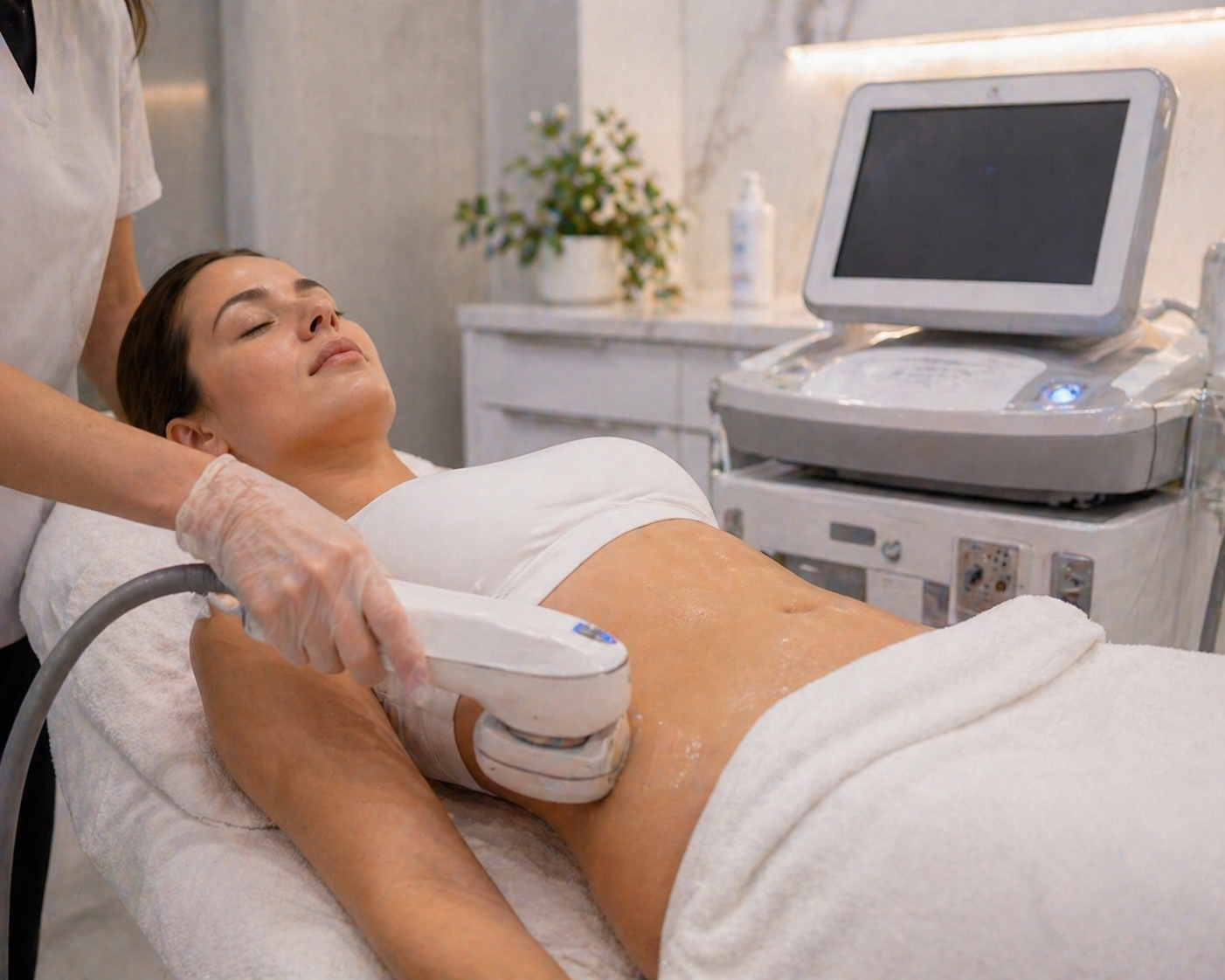
HIFU Treatment for the body works on similar principles to facial applications, but the energy is delivered at different depths and intensities. Body skin is thicker, the fat layer is more substantial, and the muscles are denser. The treatment is therefore adjusted accordingly. The following sections outline how HIFU Treatment is applied across different regions of the body, with realistic notes on what each area can and cannot achieve.
The Stomach
The abdomen is one of the most frequently requested HIFU Treatment body areas, particularly following weight loss or childbirth. Two distinct issues are at play: a pocket of subcutaneous fat and the laxity of the overlying skin. HIFU Treatment can address both, though the approach for each is different. The deepest passes target the fat layer, disrupting adipocytes so that they can be processed and eliminated by the lymphatic system over the following weeks. Shallower passes tighten the dermis. The treatment is particularly effective for patients with mild to moderate laxity following pregnancy. However, significant diastasis or substantial excess skin typically requires surgical intervention to address effectively.
The Thighs
The thighs present a more complex picture. Skin laxity on the inner thigh, dimpling on the outer thigh, and the way fat distributes throughout the region are all distinct processes that require different approaches. HIFU Treatment for the thighs is typically delivered over one to two sessions, with the practitioner selecting different depths and intensities within zones of the same area. Inner thigh laxity responds relatively well, especially in patients who have lost weight. Outer thigh contouring is more challenging, as the characteristic dimpled appearance is not simply a matter of excess fat but involves connective tissue beneath the skin — tightening can help, but it will not resolve the issue entirely.
The Hips
The flanks, commonly known as love handles, are one of the more resistant areas to diet and exercise, which partly explains their popularity for HIFU Treatment. Fat in this area is relatively superficial and therefore amenable to focused ultrasound at modest depths. The change is typically measured in centimetres rather than inches and develops over weeks rather than days. Patients who maintain a stable weight after treatment generally keep the result. Significant weight gain following treatment can partially reverse the contour change, as adjacent fat cells enlarge to compensate.
The Buttocks
The aim of HIFU Treatment for the buttocks is more about lift and tone than volume change. The treatment does not seek to add to the area but rather to provide a structural lift to the lower curve. Deeper-acting energy tightens the supportive tissue beneath, while dermal stimulation firms the skin surface. Patients who exercise regularly tend to see the best results, as muscle tone beneath HIFU-tightened skin translates well visually. The treatment will not produce dramatic volume change, and anyone seeking that kind of result should be aware of its limitations.
The Upper Arms
The upper arm — especially the inner and underside — is one of the places that shows signs of ageing and weight loss earliest. The skin here is thinner than over most of the body and is anchored to a relatively thin layer of fascia. HIFU Treatment in this area is based principally on dermal tightening and on addressing the small subcutaneous fat layer that often accompanies laxity. The change is usually gentle. For significantly loose upper arm skin, HIFU Treatment may need to be combined with other approaches, and in more advanced cases, surgical intervention should be considered.
The Back
The back is one of the more under-treated areas in aesthetic medicine, partly because patients rarely examine it as closely as they do their face. Folds along the bra line and general laxity across the upper back can make clothing less comfortable and affect how a person feels about their silhouette. HIFU Treatment for the back operates at deeper settings than facial treatment owing to the greater skin thickness, and the goals are typically moderate fat reduction combined with skin tightening. The treatment is generally well tolerated in this region, as the back has significantly fewer sensitive nerve endings compared to the abdomen or thighs.
The Hands
The hands reveal age in ways that often catch people off guard, sometimes years before the face begins to show the same degree of change. Thinning skin, prominent veins and tendons, and age spots all contribute to an aged appearance. https://camberley.hi-fu.co.uk/back-of-hands/ The backs of the hands are treated with HIFU at shallow depths because of the thin tissue and close proximity of underlying structures to the surface. The goal is to gently thicken the dermis, stimulate collagen regrowth, and improve skin texture. Pigmentation is a separate concern and often responds better to other treatments.
Intimate Treatment
Intimate HIFU Treatment is used for vaginal laxity, mild stress incontinence, and other changes typically associated with childbirth or the menopausal transition. The underlying concept is identical to HIFU Treatment anywhere else on the body: focused ultrasound is directed to a designated tissue depth, initiating collagen production and tightening the structural framework. The handpiece used is a specially designed device suited to the treatment area. Most patients describe the procedure as warm and not painful. Results emerge over the weeks following treatment and are most effective for mild to moderate concerns. Severe prolapse or significant incontinence often requires gynaecological evaluation and treatment beyond the scope of focused ultrasound.
A common thread across body applications is that what the patient brings into the process substantially shapes the result. Treatment performed on stable, well-maintained tissue does not yield the same outcome as treatment performed during a phase of drastic weight fluctuation or poor skin health. HIFU Treatment can address skin laxity and small pockets of fat, but it cannot override biology. Those who combine it with a stable body weight, adequate hydration, and sensible nutrition tend to preserve their results for a meaningful period. Substantial shifts in body composition will redistribute tissue regardless of whether the area has been treated. The technology is a support, not a substitute for the basics.
Who Benefits Most from HIFU Treatment
It would be tempting to say HIFU Treatment is suitable for anyone of a certain age, but the honest answer is more nuanced. Who qualifies as a good candidate varies considerably depending on what they are trying to address, their stage of life, and how their body has aged relative to their years. The following sections outline the characteristics of patients who tend to do well with HIFU Treatment and what each group should bear in mind.
Women
Women have always represented the largest segment of non-surgical aesthetic treatment, and HIFU Treatment follows that pattern. The reasons for seeking it are varied. Some women are managing bodily changes following pregnancy, particularly in the abdomen and chest. Others are addressing the first indicators of facial ageing in their forties. Still others are dealing with the effects of menopause, during which collagen production declines rapidly and skin laxity becomes more obvious. All of these scenarios are well suited to the treatment, though a different protocol is followed for each. A post-pregnancy patient, for instance, will be managed quite differently from someone seeking facial rejuvenation during menopause, even though the underlying technology is the same.
Men
In recent years, there has been a meaningful increase in the number of men seeking HIFU Treatment. This can be attributed, at least in part, to the fact that the procedure requires no recovery time and leaves no visible evidence that aesthetic care was sought. Men typically seek treatment for the jawline, the neck, the eyes, and the abdomen. Male skin is generally thicker than female skin and tends to respond somewhat differently to the treatment, often requiring more energy at deeper depths for a comparable effect. An experienced practitioner will adjust the protocol accordingly. Men also tend to wait longer before seeking treatment, which means they are often starting from a more progressed state. The honest observation is that the earlier someone intervenes, the better the outcome tends to be.
In the Twenties and Thirties
This is the cohort that has changed most in recent years. A decade ago, it was uncommon for patients of this age to consider HIFU Treatment. Today, it is increasingly common, and the motivation is preventative rather than corrective. Younger patients use HIFU Treatment to maintain the structural integrity of the face before significant ageing has occurred, based on the principle that it is easier to preserve collagen than to replace it. Treatments at this stage are typically less intensive and may be spaced further apart. The honest caveat is that nobody yet knows the long-term implications of preventative aesthetic treatments begun in the twenties — the data simply does not exist.
In the Forties
This is the demographic for which HIFU Treatment was fundamentally designed. In their early forties, the majority of men and women begin to experience meaningful changes in facial contour and skin elasticity. The cheeks have softened, the jawline has become less defined, and the neck has begun to crepe. At this stage, HIFU Treatment is genuinely restorative. Outcomes tend to be most gratifying in this group because the baseline is still responsive enough for clear improvement to be demonstrated, and patients tend to hold realistic aspirations. Most people, after all, do not want to look twenty-five again — they want to look like a well-rested version of themselves.
Over Sixty
For patients in their sixties, the picture is more complex. The discussion of realistic expectations is more relevant at this stage than at any other. Meaningful change can certainly be achieved with HIFU Treatment in this age group, but some individuals will have skin laxity that is genuinely beyond the capability of focused ultrasound alone. For these patients, HIFU Treatment may serve as a useful component of a broader strategy but is unlikely to deliver the kind of result they aspire to when considered in isolation. For others, where laxity is mild to moderate and skin quality remains reasonable, results can be excellent. The first consultation is absolutely essential here, and any practitioner who offers uniformly impressive projections across this age group should be viewed with caution.
The common theme across all of these groups is the value of an honest first consultation. The ideal candidate for HIFU Treatment is difficult to define purely by age, gender, or anatomical area. What defines suitability is the relationship between the starting point and a realistic end point. An experienced practitioner will spend as much time on this assessment as they do on the procedure itself, because treatment success depends as much on whether the patient was an appropriate choice in the first place as it does on how well the procedure is performed. Patients who feel rushed at this stage, or who feel they are being steered rather than consulted, may benefit from stepping back and taking more time. Nothing replaces honest conversation and aligned expectations.
The Benefits of HIFU Treatment and How They Work
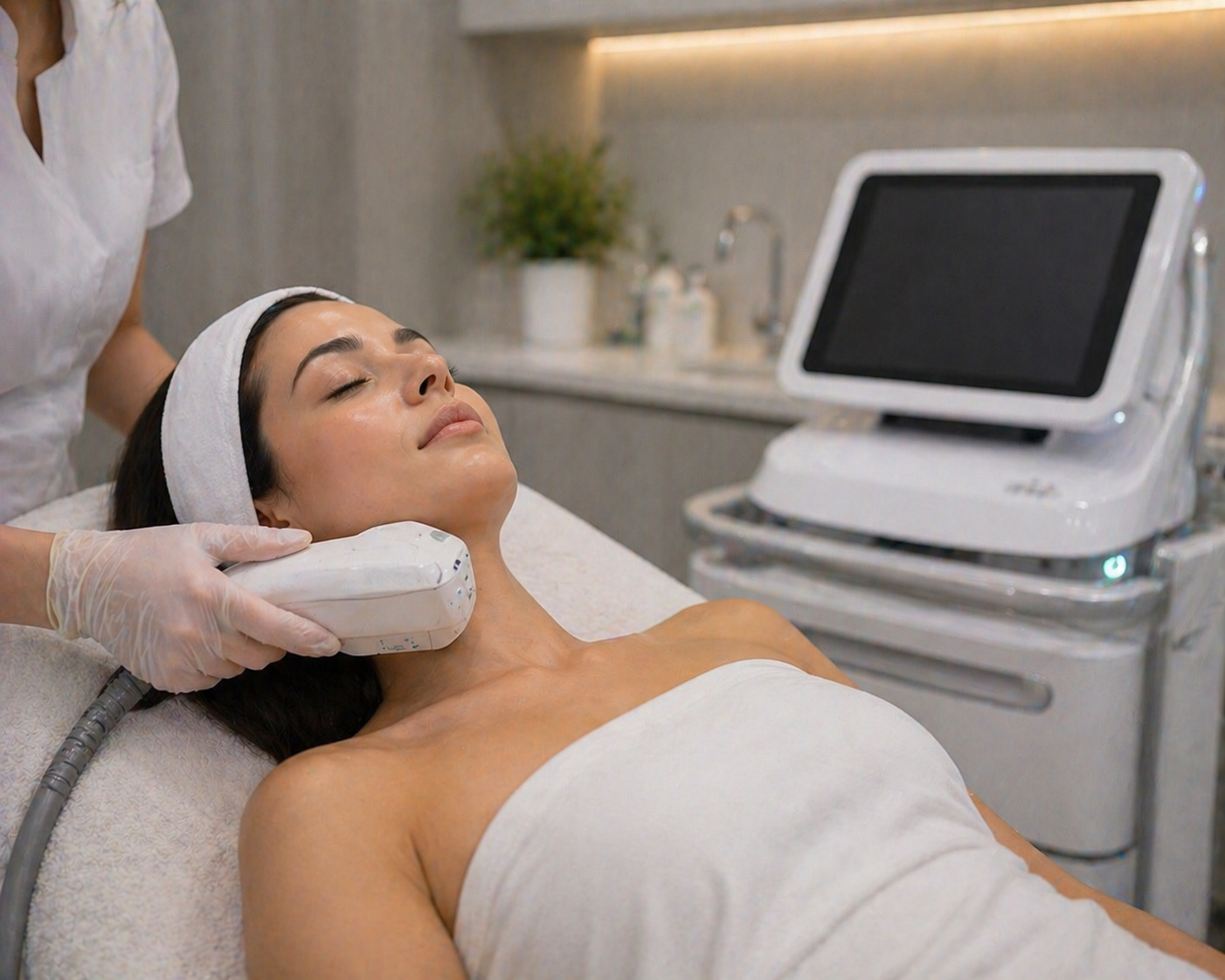
The previous sections focus on specific regions and patient groups. What is common across all of these applications, however, is the underlying mechanism. The following sections take each of the core benefits of HIFU Treatment and explain in clear terms how and why each one occurs.
Skin Tightening
Focused ultrasound can target the dermis at precisely the correct depth and deliver a precise level of thermal energy. The temperature in the targeted micro-zone rises dramatically for a fraction of a second and then dissipates. This brief thermal stress causes the neighbouring tissue to contract immediately, which is why some patients observe subtle changes within a few days of treatment. But it is the body's longer-term response to that thermal stress — the repair and rebuilding process — that produces the more lasting tightening effect for which HIFU Treatment is known.
Reduction of Facial Lines
Lines and wrinkles can be broadly classified into two types: dynamic lines that appear with movement, and static lines that remain visible even when the face is relaxed. Static lines can benefit meaningfully from HIFU Treatment. By restructuring the dermis and improving its elastic properties, the skin becomes visibly smoother and etched-in lines soften. Dynamic lines, which are caused primarily by repeated muscle movement, are often better managed with other therapies. HIFU Treatment works on the canvas of the skin, while other modalities address the movement that creates the lines — and that is a fair and honest distinction.
Strengthening the Dermis
The structural component of the skin is the dermis. It is a matrix of collagen fibres, elastin fibres, and the cells that produce them. When this layer becomes thinner or its fibres become disorganised, the skin loses firmness. HIFU Treatment delivers thermal energy directly into the dermis, where fibroblasts are stimulated to deposit new collagen and remodel the existing matrix. The result is a layer of support tissue that becomes thicker and more resilient. This dermal strengthening is one of the more lasting effects of the treatment.
Stimulating Natural Collagen
The collagen-related benefits of HIFU Treatment take several months to develop fully. During the weeks following treatment, the body perceives the thermally affected micro-zones as small injuries requiring repair. Surrounding fibroblasts increase their activity. New collagen fibres are laid down over the next six to twelve weeks. These fibres mature during the following months, and the tissue gradually gains density and structure. This is why patients are encouraged to reserve judgment about the outcome of a session for at least three months — any premature disappointment is almost always premature.
Fat Reduction
When ultrasound energy is targeted at subcutaneous depths, it heats fat cells rather than dermal tissue. The thermal energy disrupts the membranes of the targeted fat cells. The body registers these cells as damaged and processes them for disposal over the following weeks through the lymphatic system. The quantity of fat cells in the treated area is permanently reduced. However, it is important to maintain a stable weight following treatment, because remaining fat cells in the area will still enlarge if significant weight is gained. HIFU Treatment does not replace the need for long-term lifestyle habits.
Supporting the Body After Weight Loss
One of the most satisfying applications of HIFU Treatment is for patients who have experienced significant weight loss, whether through lifestyle change, medication, or bariatric surgery. The fundamental challenge that remains after major weight loss is a skin envelope that no longer fits the smaller body beneath it. HIFU Treatment can help to contract that envelope, particularly where laxity is in the mild to moderate range. However, patients with very extreme excess skin should be told plainly that HIFU alone is unlikely to provide adequate results. In those situations, surgical options exist where technology alone cannot achieve what is needed.
A Long-Term Approach to Ageing
The most effective way to view HIFU Treatment in terms of ageing is not as a standalone correction but as part of an extended approach. Skin ages continuously, and every treatment — no matter how effective — will eventually require some form of follow-up if sustained improvement is the goal. Many patients experience steady long-term benefits with one or two sessions per year, combined with thoughtful skincare, sun avoidance, and the lifestyle factors that promote healthy skin. No treatment, whether surgical or non-surgical, can stop ageing. What certain treatments can do is delay its visible appearance, and HIFU Treatment is among the more effective options for doing so.
The different benefits of HIFU Treatment are not isolated from each other. Skin tightening, dermal strengthening, collagen remodelling, fat reduction, and the longer-term ageing benefits all work together to produce a single composite outcome. A patient who seeks treatment for one particular concern may find that other aspects of their appearance improve as well. This compounding effect is part of the reason why a single treatment can have a greater net impact than the sum of its individual components, and it is also why HIFU Treatment fits so naturally into long-term care plans where small sessions over time produce a cumulative refinement that aligns with natural skin behaviour.
What to Expect Across the Patient Journey
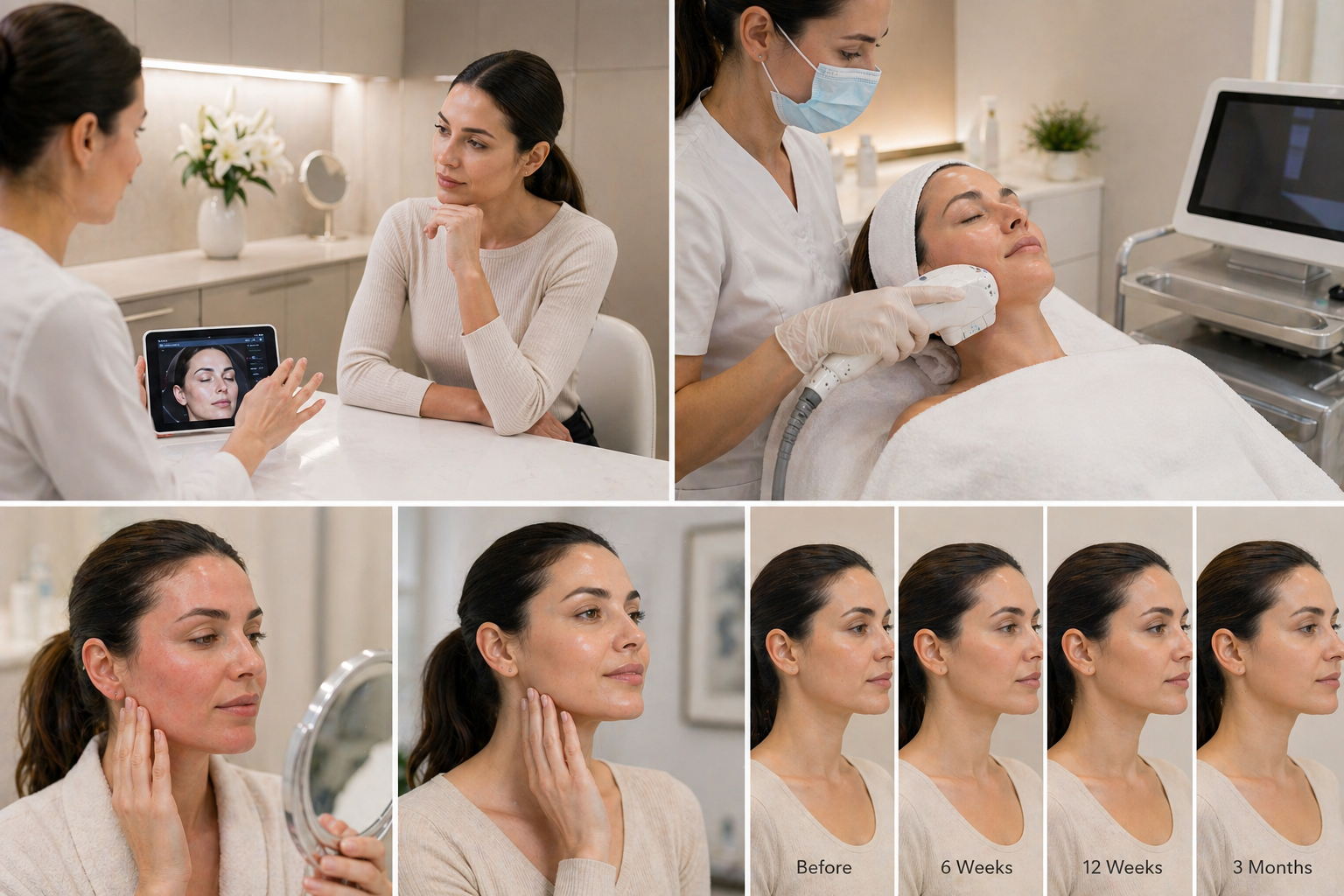
A first appointment for HIFU Treatment typically begins with a conversation, not a procedure. The practitioner examines the skin, discusses where the patient's concerns lie, and talks honestly about what is actually achievable. This is not a formality. https://camberley.hi-fu.co.uk/customer-data-form-pre-appointment/ The patients who are most likely to walk away disappointed are those who arrive expecting a result that the technology cannot deliver. Aligning expectations with realistic outcomes is among the most important parts of the entire process.
The treatment session itself takes anywhere from twenty minutes for a small area to an hour or more for a full face or large body area. The sensation varies. Patients describe it as a warm tingling, with occasionally sharper points that correspond to the energy reaching bone or particularly sensitive tissue. No general anaesthetic is used, and topical numbing creams are sometimes applied for the more sensitive areas. Afterwards, patients can return to their normal activities.
The treated area may appear slightly pink and warm immediately after the session. A few patients report a mild sense of tightening over the following days. The real transformation, however, occurs between six and twelve weeks later, as new collagen establishes itself and the existing matrix reorganises. At three months, patients are typically seeing the fullest effect of the treatment.
The outcome then continues to develop over time, and most people find that a yearly or twice-yearly session can keep the result on track. Skin does not stop ageing because of treatment. For anyone considering HIFU Treatment as part of their long-term care, the practical question is not whether further sessions will be needed but how frequently they should be undertaken.
The best perspective for anyone weighing whether HIFU Treatment is right for them is not simply whether the technology works it does but whether the timing is right, whether there is a genuine need, and whether the expectation is realistic. When those three factors align, the result is almost always satisfying in a quiet, considered way. If any one of the three is misjudged, it is rarely the treatment itself that is at fault. Patients who approach HIFU Treatment with this more measured outlook tend to come away with the kind of thoughtful, lasting outcome that the technology is genuinely able to provide.