
When the Face Begins to Change
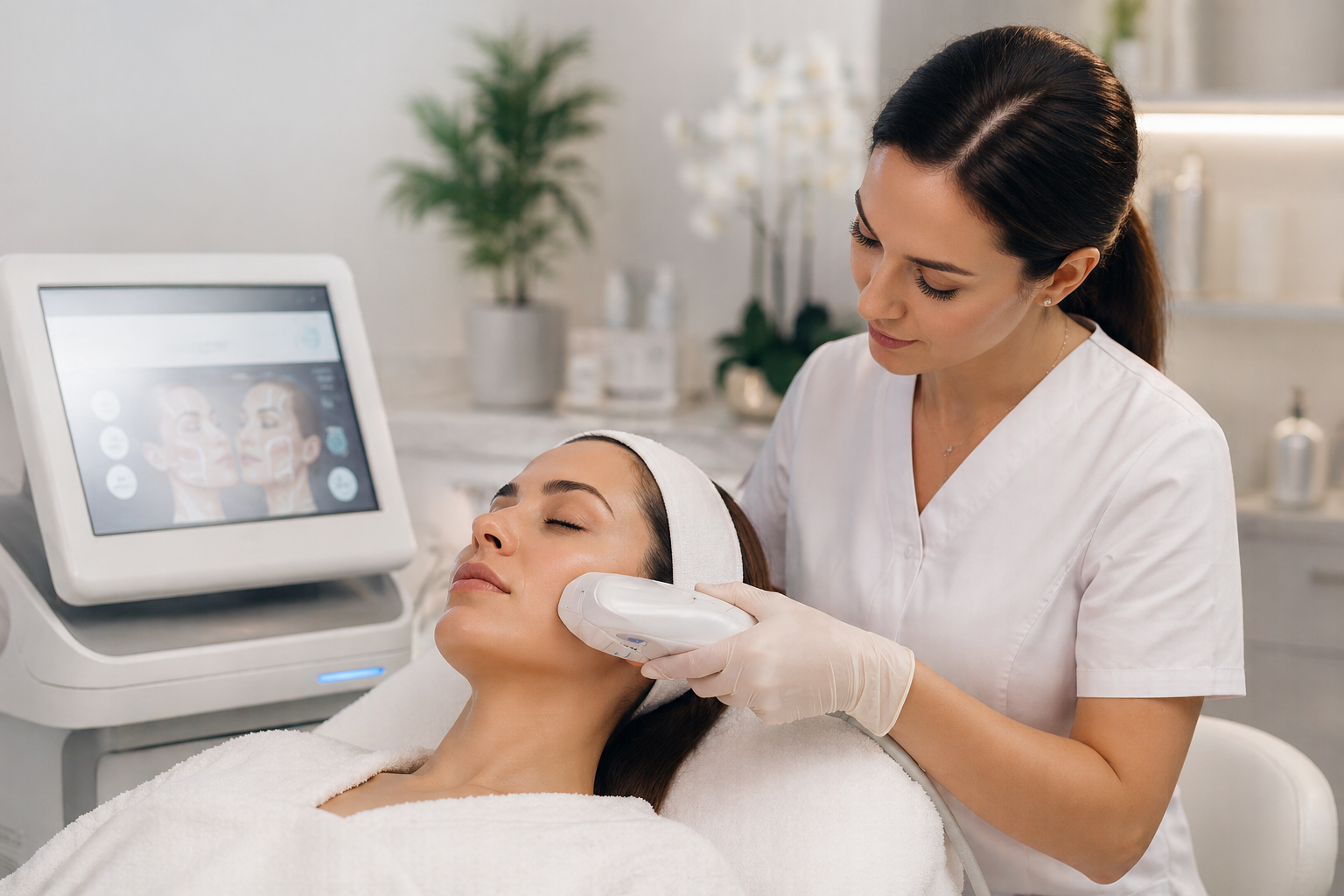
Long before anyone has the guts to say it, a face begins to soften. First, in passing — a hint of slack along the jaw, a cheek that was suddenly softer where there used to be lift, a crepe at the neck that last winter was not there. For most people, the change has been silent but present for years by the time they take notice.
HIFU Treatment is one of the most reasonable techniques to address this kind of change, without a surgeon's knife being involved at all.
HIFU stands for High-Intensity Focused Ultrasound. The principle is straightforward. Directed sound, focused much like a magnifying glass focuses sunlight, is aimed at specific depths below the surface of the skin. It warms small, focused areas of tissue at those depths. That heat is a signal for the body to repair, and in skin, repair means new collagen. The area treated becomes firmer, tighter, and lifted gradually over the subsequent weeks.
The reason why HIFU Treatment is appealing to so many people is because of what it does and, equally importantly, the fact that it involves no surgery. It reaches where the surgeon goes — to the deep dermis and the SMAS layer underneath — but it does so without cutting, stitching, or general anaesthetic. There are no scars. There is no convalescence. Someone could squeeze a session in during lunch and be back at their desk by mid-afternoon, with nothing but a trace of warmth that cools again within an hour or two.
It is suited for a certain kind of patient. Those in their thirties using it as preventative maintenance. Those noticing the first gradual evidence of laxity — softer jowls, a more rounded jawline, a softening skin surface on the neck. Those in their sixties who want a refinement rather than a transformation. Men as often as women. The treatment is clear about what it is: a tightening, not a reconstruction. And for a great many people, that is exactly what they are looking for.
What HIFU Treatment Does to the Skin
To understand how HIFU Treatment works, it helps to think of the skin not as a single sheet but more like a stack of layers. The epidermis, the visible part at the surface, is the most familiar. Under that sits the dermis — a thicker, fibrous support matrix where collagen and elastin reside. Below that, a layer of fat. And beneath the fat, at least in the face, is the SMAS: the superficial musculoaponeurotic system, a sheet of connective tissue and muscle that underpins the entire architecture of the face. The SMAS is what a surgeon tightens and repositions when performing a facelift.
HIFU Treatment reaches that same SMAS layer without puncturing the surface. It does this by directing ultrasound waves at an exact depth — either 1.5mm, 3mm, or 4.5mm underneath the skin, depending on the area being treated and how deep the practitioner needs to go. The ultrasound creates a small point of heat at the focus, and only there. For a fraction of a second, the temperature at that point reaches roughly 60 to 70 degrees Celsius — enough to denature a small column of collagen and initiate the wound-repair pathway. The tissue above and below that focal point remains cool and undisturbed.
That is the fundamental principle behind the entire treatment. Those tiny heated points are treated as micro-injuries by the body and must be repaired. Fibroblasts — the effector cells of the dermis — respond by producing new collagen and reorganising the fibrous architecture that is already present. New collagen is shorter, thicker, and more structured than the loose, fragmented collagen found in ageing skin. As that new collagen matures and develops over the six to twelve weeks following treatment, the treated area firms and lifts.
The benefit of working at depth is that this is precisely where laxity originates. The jawline does not soften because the surface of the cheek changed. It softens because the structural layers below have become loose. Surface treatments are valuable for restoring tone and texture, but they do not reach the layers responsible for holding everything in position. HIFU Treatment does.
At deeper settings, in addition to the tightening effect, there is a thermal coagulation and contraction response that practitioners use for fat reduction in specific body areas. The same principle applies — controlled heat to a controlled depth — but in this case, the energy is sufficient to gradually disrupt fat cells rather than denature connective tissue. It is the same science and the same device, but tuned to a different purpose.
The full procedure is guided by careful observation during the session itself. A proficient practitioner varies their approach according to the area of the face or body being treated, adjusting the depth, line density, and energy levels based on skin thickness and the response they are observing. A forehead is treated differently from a jawline. A décolletage receives a gentler touch than an upper arm. The technology has been refined over many years, but the applications remain genuinely bespoke. That variability in approach is the reason outcomes differ between operators, and it is why practitioner selection matters at least as much as the treatment itself.
How HIFU Treatment Helps the Face
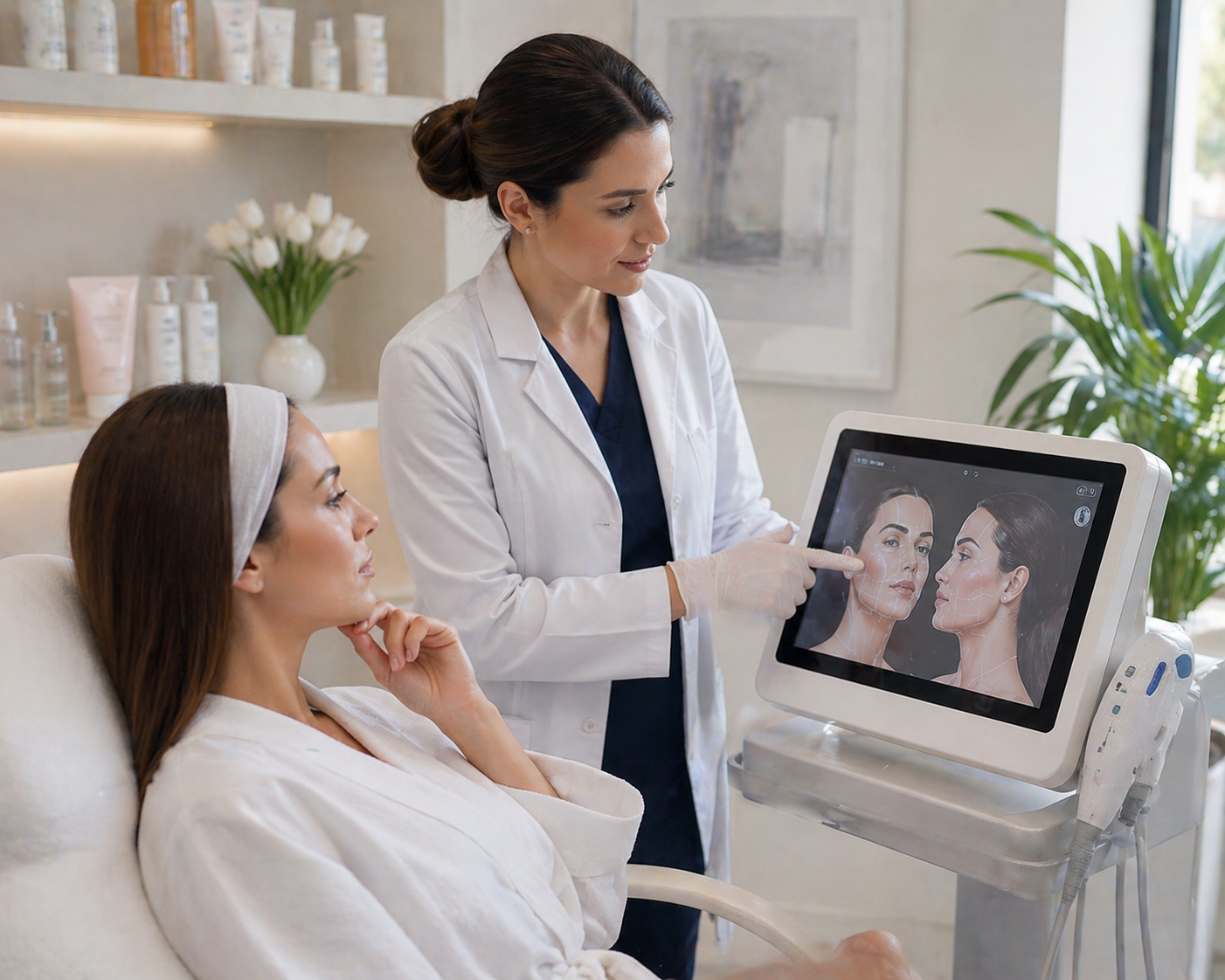
For most people, the face is the first place they consider HIFU Treatment. The areas that lose strength and definition due to ageing — the jawline, the cheekbones, the brow, the neck — all lie above the SMAS layer that HIFU is designed to reach.
The Forehead and Brow
Changes in the forehead are among the earliest signs of ageing. Frown lines deepen, the skin between the brows frequently develops a static furrow, and the lateral brow can begin to drop, contributing to a heavy or tired appearance around the eyes. HIFU Treatment applied along the forehead and around the brow tends to produce a very gentle lift — a millimetre or two at most — but on the face, even a small change like that reads as a noticeably fresher look. The lines themselves may not disappear entirely, but the tissue around them firms and they become less prominent.
One of the smaller but most valued benefits is the effect on the brow itself. Patients often remark that their eyes look less hooded, that mascara applies differently, and that they no longer feel they have heavy eyelids. There is no needle involved, no toxin injected, and the change is gradual enough that nobody else can identify exactly what has altered.
Around the Eyes
The fine lines around the outer corners of the eyes, commonly known as crow's feet, are more difficult to treat with any single technique. The skin around the eye is thin, and the lines are partially etched in from years of expression. HIFU Treatment tightens the framing tissue around the orbital area, slightly lifting and making those lines less apparent across the upper cheek surface. However, for the best outcome in this area, it works most effectively when paired with well-maintained skin and consistent sun protection, rather than being used in isolation.
The Cheeks
The cheeks are often the best responder of all. As the face ages, the malar fat pad migrates downward from its original position, taking the natural fullness of the cheek with it. HIFU Treatment encourages that tissue to settle back into a more youthful position, and the change can be one of the most gratifying — fuller upper cheeks, a subtly more elevated cheekbone contour, and softer nasolabial folds without any need for filler.
The nasolabial folds — those lines that run from the sides of the nose down towards the corners of the mouth — are largely a result of cheek descent. By gently lifting the cheek, the fold lessens. HIFU Treatment will not erase deep folds entirely, but it can soften their edges, and it achieves this without adding volume that was not previously there.
The Jawline
It is the jawline that has truly given HIFU its reputation. A clean, defined jawline is perhaps the clearest indicator of a younger face, and one of the first things to change with age. Soft jowling, poor definition along the mandibular border, the beginnings of a double chin — all of these respond well to HIFU Treatment. Using targeted lines along the lower face and under the jaw, practitioners aim to tighten deeper tissue and the SMAS underneath, encouraging everything to sit closer to the bone and read as a cleaner, firmer line.
The Neck and Upper Chest
The neck and décolletage are areas where this technology genuinely excels, in part because these regions are so often overlooked by other methods. The skin on the neck is thinner and less resilient than on most of the face, which means it reveals the passage of time more readily. HIFU Treatment along the neck focuses on platysmal banding, looseness under the chin, and crepiness to the sides.
The décolletage — the upper chest — behaves in a similar fashion, especially for those who sleep on their side or who have experienced sun-related thinning. Fine vertical creases and a loss of smoothness in that area can be addressed with a gentler touch. Outcomes here are slow and subtle, but they are real.
How HIFU Treatment Helps the Body
The face was the original destination for HIFU Treatment, but the body is not far behind. When adapted for denser body tissue and larger surface areas, the treatment can tighten skin and help address small pockets of localised fat in under an hour.
The Stomach
The stomach is one of the busiest treatment zones. A person can have strong abdominal muscles and still carry soft, lax skin on top of them — the result of pregnancy, weight fluctuation, or simply the passage of time. No amount of exercise can tighten the skin itself. HIFU Treatment for the abdomen targets the dermal layer to firm it, and at suitable depths, can help address a small amount of subcutaneous fat through deeper thermal disruption. The result develops slowly. The most noticeable difference is usually apparent at eight to twelve weeks and can continue to improve for three to four months. Most people observe a flatter, more defined contour.
The Upper Arms
The upper arms have long been a frustrating area for people who exercise regularly but still carry loose skin at the back of the arm. The muscles may be healthy and toned, but the skin covering them has simply lost its firmness. HIFU Treatment along the upper arm treats the dermis without affecting muscle. The difference is subtle but noticeable, particularly in short-sleeve garments.
The Inner Thighs and Knees
Inner thighs are particularly responsive, as the skin here can develop a crêpe-like texture with weight loss or age. The same applies to that area just above the knee where a soft fold tends to form — something no amount of squats can quite address. HIFU Treatment in these areas focuses more on firmness than fat removal, and can sometimes be combined with deeper layering for those who also want a measured degree of fat-cell disruption.
The Hips
Fat along the hips, often referred to as love handles, can also be treated using deeper-depth settings for subcutaneous fat reduction combined with skin tightening. Realistic expectations are particularly important here. HIFU Treatment is not a weight loss procedure. It works best for those whose body composition is already relatively close to their natural settled point.
The Buttocks and Back
These are lesser-used treatment areas but increasingly requested. The skin of the buttocks loses elasticity over time, and HIFU lifting along the gluteal fold can help redefine that lower contour without the risks associated with surgical intervention. Similar success has been noted for tightening the back or bra-line area, where some people experience folds of skin that gather uncomfortably.
The Hands
The back of the hands is a small area, but one that reveals age more clearly than most people expect. Veins become prominent, the skin thins, and tendons protrude. The HIFU Treatment itself is quick — often just minutes — and the smoothing and firming of the skin makes a generous difference over the coming weeks. It is one of the quieter applications of the technology, but for the right patient, the change is significant.
Comparing HIFU Treatment with Other Approaches
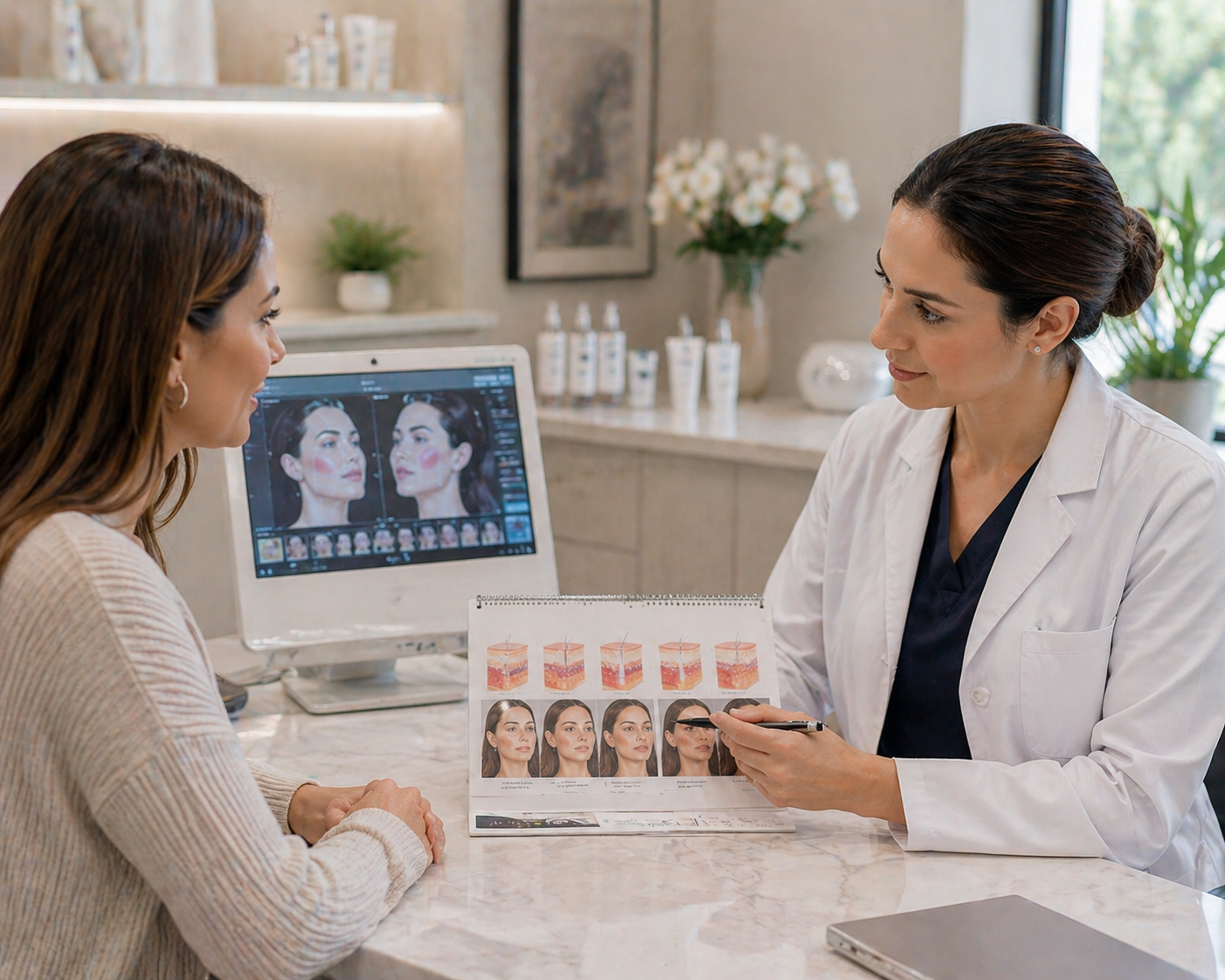
If you are looking into skin tightening, you will quickly find the field is quite crowded. Lasers, peels, radiofrequency, microneedling, threads, fillers, surgical lifts — every modality has its advocates. They all work on different principles, and choosing well means understanding what each one genuinely targets.
Surgery remains the most powerful intervention for significant laxity. A surgical facelift provides results that last longer than any non-invasive measure, typically five to ten years before further intervention becomes relevant. But that longevity comes at a cost — general anaesthesia, weeks of recovery, and genuine surgical risks. For patients with substantial laxity who are prepared to accept those trade-offs, surgery may be the right answer. For everyone else, it can feel like a significant commitment.
Laser resurfacing addresses a different layer of the problem. Ablative and fractional lasers are effective primarily on the epidermis and upper dermis, targeting texture, fine lines, sun damage, and pigmentation. They stimulate mild collagen remodelling, but the depth of penetration is limited. Laser is an excellent choice for someone whose primary concern is tired-looking skin at the surface. It is less effective for someone whose main issue is laxity along the jaw or neck.
Chemical peels exfoliate the upper layers of skin in a controlled way, revealing fresher skin beneath. They are valuable for tone, brightening, and light pigmentation, but they cannot produce structural lift. A fair practitioner will acknowledge that a peel will never change a jawline.
Radiofrequency is closer in spirit to HIFU Treatment. It also heats tissue at depth without disrupting the surface, though it uses electrical energy rather than ultrasound, and depth control is generally less precise. Radiofrequency tends to work well on mild to moderate laxity. Some practitioners use both technologies together in a layered approach to address different concerns.
Microneedling, including radiofrequency microneedling, works at a shallower level still, treating surface quality, fine wrinkling, and scarring. It is an excellent companion to treatments that penetrate deeper, rather than a competitor.
Where HIFU Treatment fits in all of this is quite specific. It is the most precise non-invasive option for addressing laxity at depth — the SMAS layer, the deep dermis, the fibrous scaffolding that holds the face or body in position. It does not resurface. It does not exfoliate. It does not add volume. What it does is encourage the supporting architecture to tighten, and that is a fundamentally different class of effect.
HIFU Treatment is frequently the most effective single non-surgical option for someone experiencing mild to moderate laxity who does not want surgery. For more pronounced laxity, the surgical route remains more effective. Lasers and peels serve surface concerns better. The honest discussion is not about which technology is best — it is about which one corresponds to the particular issue that is actually presenting itself.
What a Session Feels Like
What most people expect from a first HIFU Treatment session is rarely what they actually experience. Patients arrive with an idea of what it involves, either far more dramatic than reality or far less. The truth is somewhere in between, and for most people, the process is easier than they had imagined.
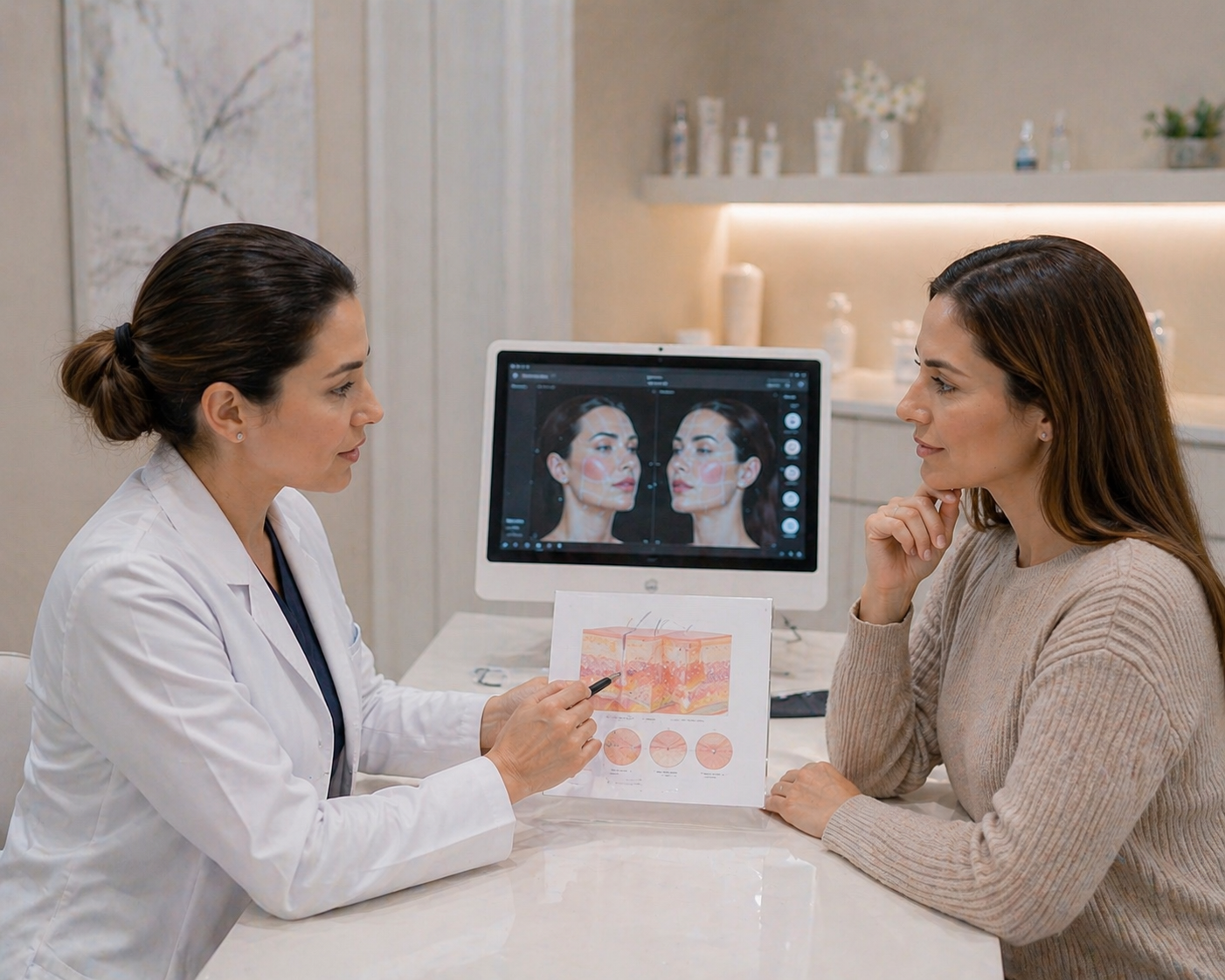
The first appointment typically begins with a brief consultation and check-in. Photographs are sometimes taken from several angles to monitor progress over time. The skin is cleansed thoroughly. The treatment area is then covered with a clear ultrasound gel — the same type used during medical scanning — to allow the handheld applicator to slide easily and transmit energy effectively.
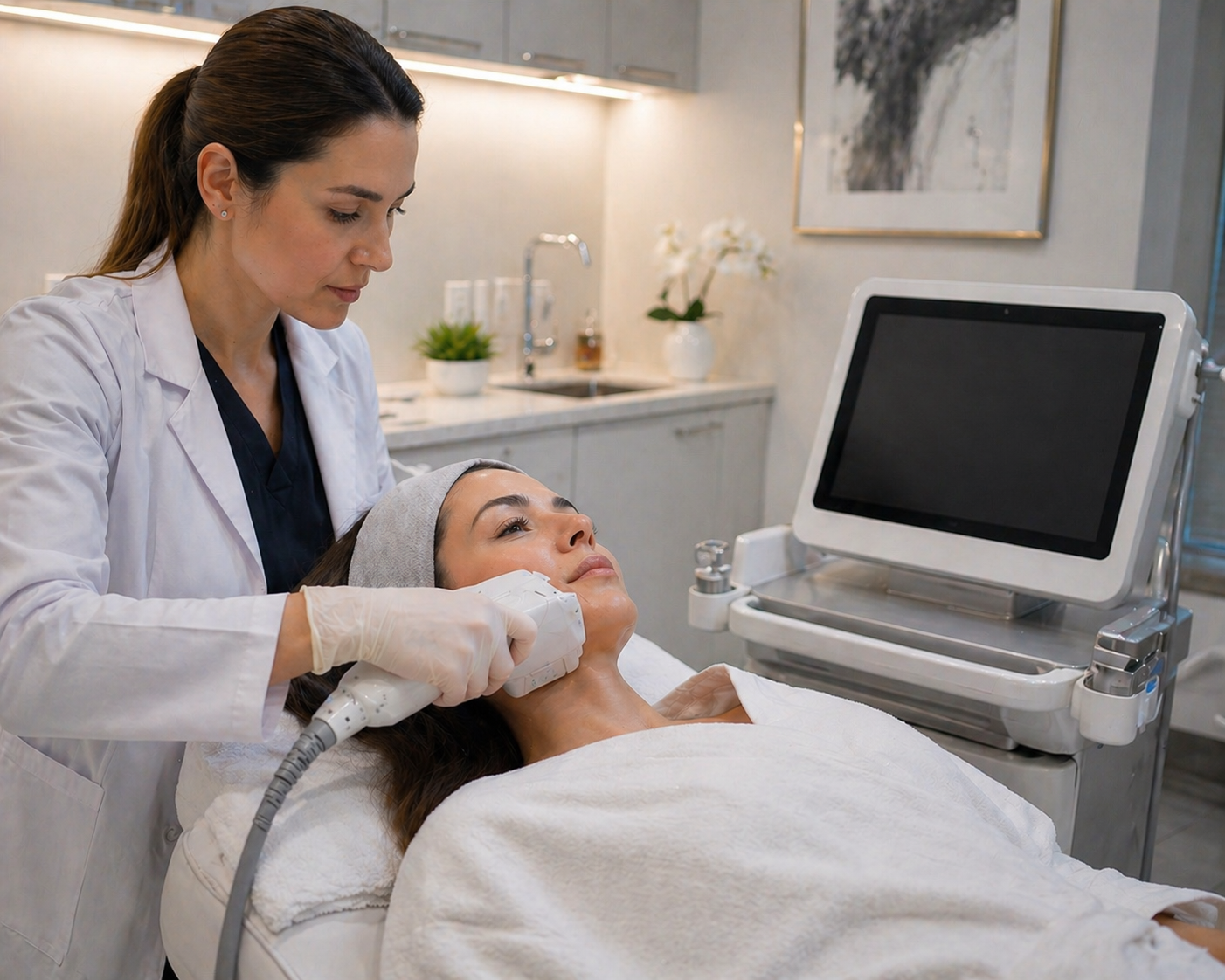
The applicator itself is roughly the size of a small electric shaver. The practitioner applies it over the skin and delivers HIFU Treatment in the form of lines and points, working methodically over the treatment area. Each pulse lasts a second or two at most before the device moves on. On some machines, the depth being treated is visually displayed so that the practitioner can confirm they are working at the correct layer.
The sensation varies by depth. At the shallowest 1.5mm setting, commonly used on delicate skin, there is barely a feeling — a flicker of heat, a gentle sting that disappears almost immediately. At 3mm, the sensation is a little sharper, more like a quick pulse of warmth. At the deepest 4.5mm setting, there is a brief, more intense warmth that some describe as a small, fast electrical sensation. Everything lasts a fraction of a second per line. Anaesthetic is not required, and most people manage comfortably without numbing cream, although one can be applied if someone is particularly sensitive in a specific area.
A full lower face typically takes approximately 45 to 60 minutes. A full face and neck takes closer to 90 minutes. Smaller areas, such as a brow lift or the back of the hands, can be completed in around 15 to 20 minutes. A stomach treatment may range from 60 to 75 minutes depending on body type.
After the session, the gel is wiped off. The skin may be a little pink, slightly warm, and briefly sensitive to the touch — similar to the feeling after a brisk walk on a cool day. Make-up can be reapplied immediately. Most people return directly to their usual activities. That ease and simplicity is, by design, the entire point.
When You See Results and How Long They Last
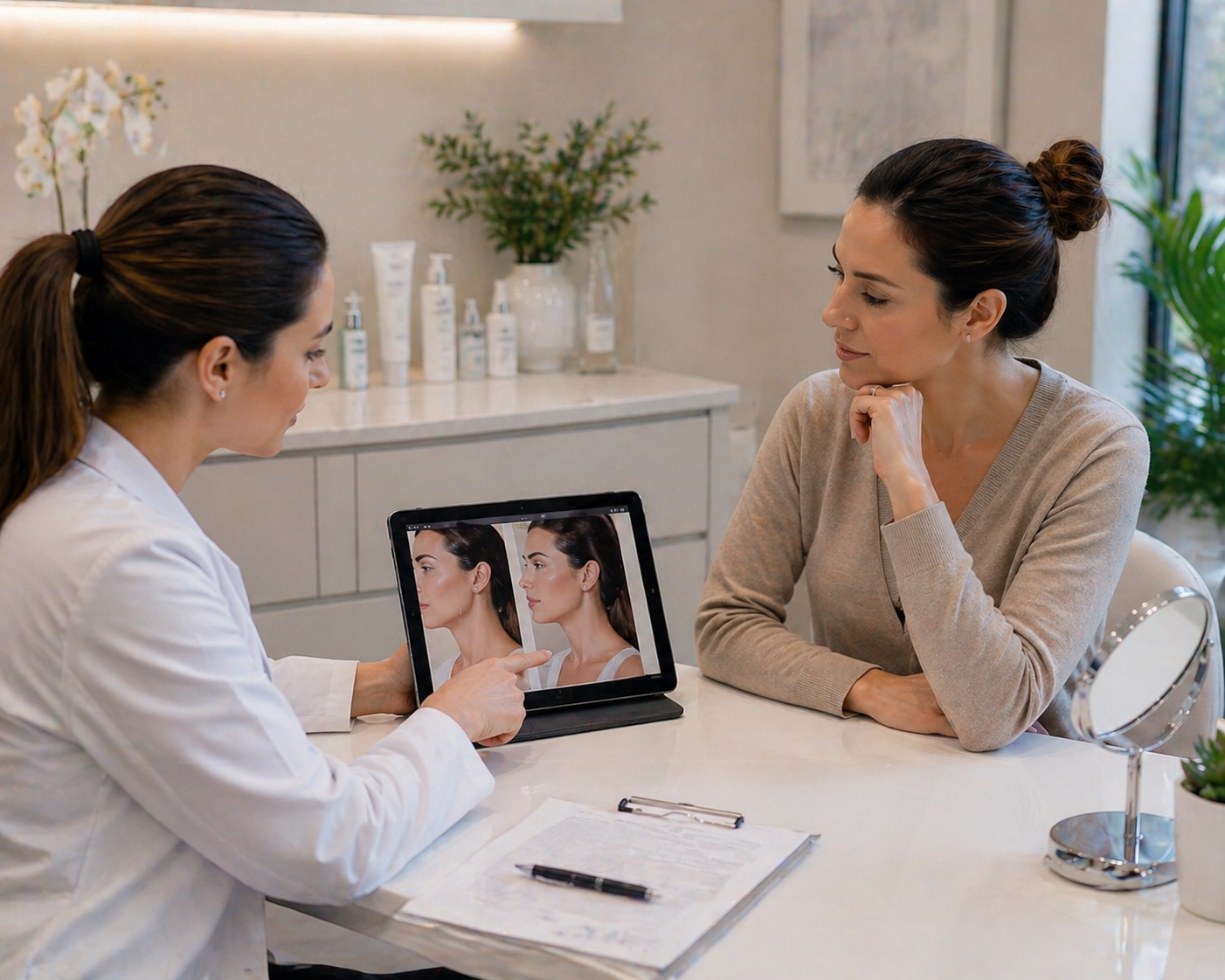
One of the most common misunderstandings about HIFU Treatment is that results appear immediately. Many people expect to see a noticeable change by the time they get home, and when nothing dramatic has happened, they feel disappointed. That is not how the treatment works, and helping people understand the timeline is part of an honest consultation.
A small, almost incidental tightening does occur in the immediate aftermath. The collagen that has been heated shrinks on the spot, producing a subtle sense of firmness that some people begin to notice within a few days. This immediate effect is real but minor — perhaps ten to fifteen percent of the eventual total — and it tends to stabilise over a week or two as the treated tissues settle.
The real transformation takes place behind the scenes over two to three months. Within the first week after treatment, fibroblasts begin depositing new collagen at the treated points, and this process continues steadily for eight to twelve weeks. The body is rebuilding the physical scaffolding of the treated area, fibre by fibre. It cannot be rushed.
At around week eight, most people start to notice a meaningful difference. The skin feels tighter under the fingers. Foundation sits differently. A jawline that had begun to soften may look more defined in photographs. The effect peaks at twelve to sixteen weeks, which is also when a routine follow-up assessment typically takes place.
The peak result generally lasts between twelve and eighteen months, depending on the individual. Those with a natural predisposition towards healthy collagen synthesis, good baseline health, no history of smoking, and an established skincare routine tend to retain results towards the longer end of that range. Results also last better in those who avoid excessive sun exposure and do not experience rapid weight fluctuation during the treatment period.
Most patients who are pleased with their initial HIFU Treatment choose to have a top-up session between twelve and eighteen months later. The top-up is normally shorter than the original, as it is maintenance rather than restoration. Over time, this rhythm — a more comprehensive session followed by lighter top-ups — becomes a measured part of long-term skincare, alongside daily habits such as sun protection, adequate sleep, and an intentional skincare regimen. If anything, the effect is cumulative rather than intensive.
Who HIFU Treatment Suits Best
HIFU Treatment is not suitable for everyone, and one of the most honest things a practitioner can do at a consultation is say so. There is a definite range for which this technology works well, and beyond that range, results become less predictable.
The best candidates are typically those with mild to moderate skin laxity. In practical terms, that covers people from their late twenties through to their early sixties — where the skin has begun to soften but still retains a useful degree of natural elasticity. For those in their late twenties and early thirties, HIFU Treatment is often used as preventative maintenance, working to preserve structural integrity before it diminishes. For patients in their forties and fifties, it is commonly used to address the first signs of structural change. In the sixties, meaningful improvement is still achievable, though expectations need to be set more carefully.
Men and women respond equally well. Male skin is often thicker and benefits particularly from jawline and neck treatment; the results can be remarkably restorative while remaining quietly subtle. Many men come for treatment on one area — generally the jaw — and are satisfied with that alone.
HIFU Treatment has become especially popular among post-pregnancy patients, particularly for abdominal work, as it offers a significant step between completing the first full year after childbirth and considering any more aggressive interventions. Patients who have previously had surgical procedures and wish to prolong or maintain those results are also good candidates, as there is an established structural foundation to build upon.
There are also situations where HIFU Treatment may not be the right choice. Someone with very advanced laxity — significant excess skin, severe jowling, or heavy ptosis — is likely to achieve a more meaningful outcome from surgery. HIFU can soften the picture in such cases, but it cannot replace a surgical lift, and it would be unrealistic to suggest otherwise.
Certain conditions also represent contraindications. Pregnancy is a clear one, and some practitioners include breastfeeding as well. Active skin infections, open wounds, and severe acne in the treatment area all require resolution before a session can proceed. Metal implants within the treatment zone, electronic devices such as pacemakers, severely active autoimmune conditions, certain bleeding disorders, and some cancer treatments all warrant a thorough medical discussion before HIFU Treatment is considered. Patients who have recently completed a course of isotretinoin are usually advised to wait several months. Very thin or fragile skin — sometimes seen in patients who have been on long-term steroid use or who have certain genetic conditions — requires extra caution and may be redirected to gentler alternatives.
Side Effects, Safety, and an Honest Perspective
By the standards of aesthetic procedures, HIFU Treatment is a low-risk process. It has been in use for skin tightening for well over a decade, and its medical applications in other parts of the body go back even further. The side-effect profile is well understood, and serious complications are uncommon.
The most common effects are mild and short-lived. The majority of people leave with some faint pinkness over the treatment area, often described simply as a glow. This clears within a matter of hours. Some patients experience minor swelling for up to 24 hours, especially around the eyes if the brow area has been treated. Tenderness when pressing the treated area — a mild bruised sensation, particularly over the jawline or cheekbone — affects a minority of patients and generally resolves within two to three days.
Bruising is rare but can occur, especially in those who are naturally prone to bruising or who are taking anticoagulant medication. When it does appear, it is usually mild and fades within a week. Small reddened marks may also be visible along the treatment lines but typically disappear very quickly.
Another less common but noteworthy occurrence is temporary nerve sensitivity. A small percentage of patients report slight numbness or tingling in the treated area. This usually resolves within a few days, and at most within a few weeks. It involves small superficial nerves that are sensitive to thermal energy, and it resolves entirely on its own in the vast majority of cases. Persistent issues of this kind are rare and tend to be associated with practitioner technique — which is, again, why the choice of operator matters.
The more significant caveat is one of expectation rather than physical side effects. HIFU Treatment is a refinement, not a revolution. It is the kind of outcome that a person will notice in photographs over time and that perceptive friends may observe without being able to name. It is not the dramatic, immediate transformation of a surgical lift. Those expecting to regain a face from twenty years ago will be disappointed. Those hoping for a firmer, fresher, more rested version of their current appearance will generally be pleased.
It is also worth emphasising that no treatment replaces the fundamentals. Sun protection, adequate sleep, proper hydration, a sensible skincare regimen, and not smoking are collectively more important to long-term skin health than any single treatment session. HIFU Treatment works best as part of a broader approach to skin care, not as a standalone fix within otherwise unsupportive habits.
Common Questions About HIFU Treatment
Does HIFU Treatment Hurt?
It produces some discomfort, but only briefly. Each line of energy lasts just a few seconds, leaving behind a warm or sharp prickling sensation that fades as the device moves on. Most people find it tolerable without numbing cream. Areas with thinner skin or more bone underneath — such as the jawline, the brow, and the upper chest — tend to be more sensitive than fleshier regions.
Can It Be Done After Botox or Fillers?
Yes, with sensible timing. The general recommendation is to wait a couple of weeks after Botox before having HIFU Treatment, and a few weeks following fillers, particularly if those fillers are in the treatment area. Many patients choose to have HIFU first, allowing it to mature, and then topping up with a smaller amount of injectable treatment afterwards. The underlying tightening from HIFU can reduce how much filler is needed in the first place.
Will Other People Notice?
Very rarely in a way that anyone can identify specifically. The change is gradual rather than immediate. People around the patient often describe them as looking well, fresh, or even slimmer in the face, but they cannot quite articulate why. That subtlety is a central part of what the treatment offers.
Is One Session Enough?
For most patients and most areas, yes. A single comprehensive initial session is followed by a twelve-week assessment and then a maintenance treatment offered approximately twelve to eighteen months later. Some patients with moderate laxity choose to have two initial sessions spaced three to six months apart for a more noticeable result. This is always a conversation for the consultation rather than a fixed rule.
How Does This Differ from Spa Ultrasound Facials?
The two are not the same. A spa-grade ultrasound device typically operates at very superficial depths and lower energy levels, creating a temporary glow rather than producing structural change. Medical-grade HIFU Treatment targets the deep dermis and SMAS layer at controlled depths and energy levels. The difference is real and shows up clearly in how deep and durable the results are.
Is Summer Treatment Acceptable?
Yes. HIFU Treatment does not resurface the skin, and there is no peeling or broken skin afterwards, making summer treatment perfectly reasonable. Sun protection should be worn on the face every day regardless, and this practice becomes even more valuable after any treatment that stimulates collagen production.
Can I Exercise on the Same Day?
Light activity is fine. Most practitioners suggest avoiding intense exercise, hot saunas, and hot yoga for the first day or two, as increased heat and blood flow to the treated area can sometimes prolong any minor pinkness. By the second day, normal routines can typically resume.
Is HIFU Treatment Suitable for Darker Skin Tones?
Generally, yes. Because HIFU targets depth rather than pigment, the risk of pigmentation changes — which is a more common concern with some laser treatments — is substantially lower. The consultation will still take skin type and history into account, but the technology is suitable for a wider range of skin tones than many surface-based alternatives.
How Young Is Too Young?
There is no strict rule, but most practitioners exercise caution before the age of around twenty-five. The treatment works by encouraging the body to produce its own collagen, and young skin already produces collagen abundantly. The marginal benefit at that age is minimal, and the time and resources are usually better spent on quality skincare and consistent sun protection until at least the late twenties.
Will the Results Look Natural?
That is the entire point. HIFU Treatment does not add anything to the face. It encourages the face's own structural tissue to behave more like it used to. The end result, when performed well, resembles nothing being done at all — only that the person looks better than they did three months earlier.
A Considered View
The honest case for HIFU Treatment is a measured one. It is not a miracle, and anyone describing it as such should be approached with caution. It will not turn back the clock by twenty years. For someone whose laxity has progressed beyond a certain point, it will not replace a carefully considered surgical lift. It cannot reverse the accumulated effects of prolonged sun exposure, smoking, poor sleep, or chronic stress.
What it can do, in the right hands and with the right patient, is reach deeper into the skin than almost any other non-surgical option and ask the body to do what it used to do naturally. Over weeks and months, the supporting scaffold of face or body slowly restructures itself. Skin that had loosened tightens. A softened jawline sharpens just a little. A neck that was beginning to crepe smooths out to a degree. None of it is theatrical. All of it is quietly real.
If what you want is a slow, structural improvement — a subtle lift that gives your skin a fresher version of its own character rather than someone else's face entirely — HIFU Treatment is one of the more considered choices available. It rewards patience. It rewards careful practitioner selection. It rewards being part of a broader habit of looking after your skin, rather than expecting any single procedure to do everything.
Which, in the end, is the most useful way to think about it. HIFU Treatment is a tool. A useful one, and an underappreciated one in many contexts, but a tool nonetheless. When used wisely, with realistic expectations and a measured approach to spacing over time, it can help a person look and feel like themselves for very much longer than they might otherwise have hoped.